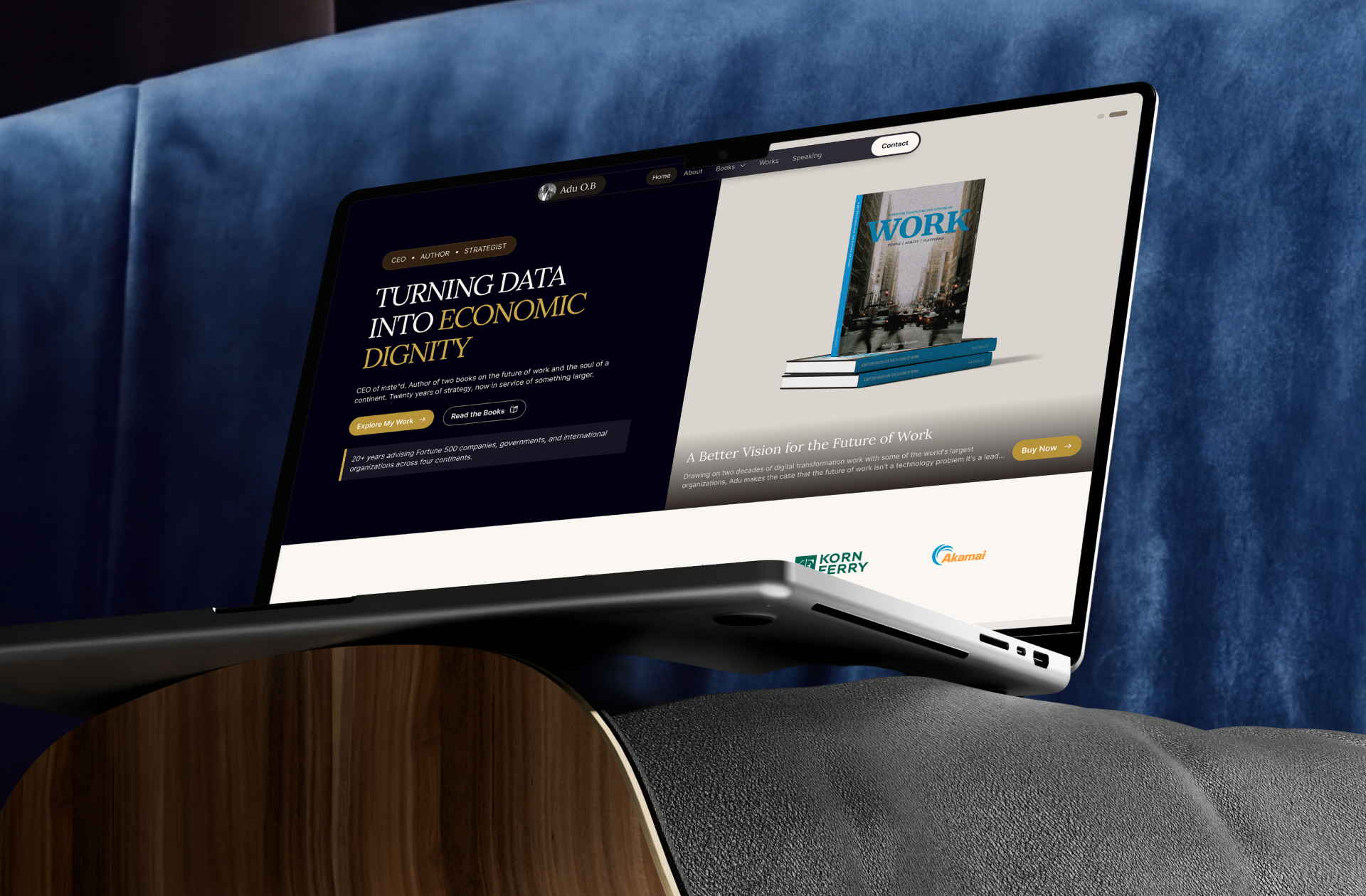

Adu O.B. — Author, Strategist & Founder Website Design And Development
Personal brand site for an author-founder, uniting his books, company, and 20 years of advisory.
Expertise
Personal Branding
Next.js Development
Editorial Design
Design System
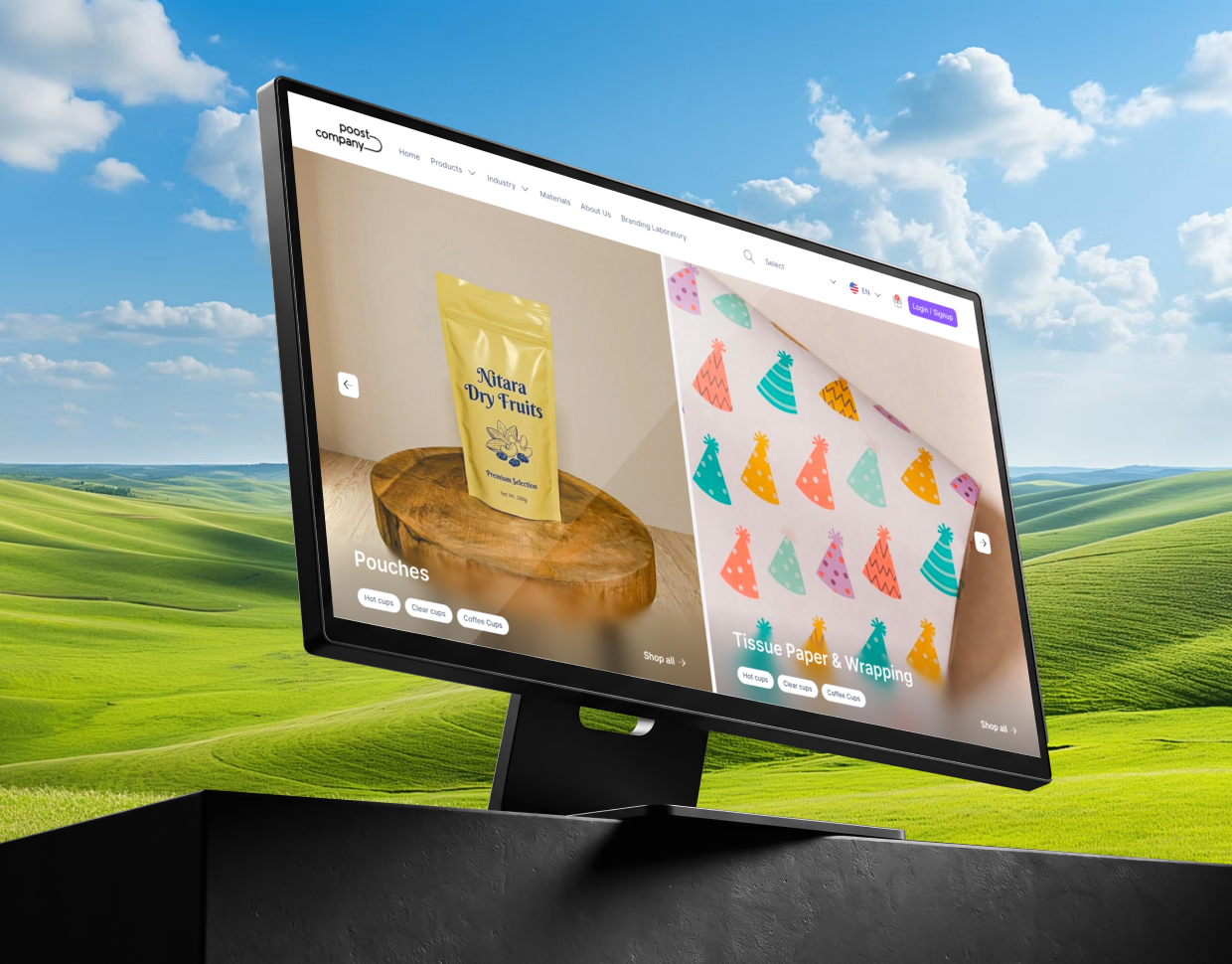
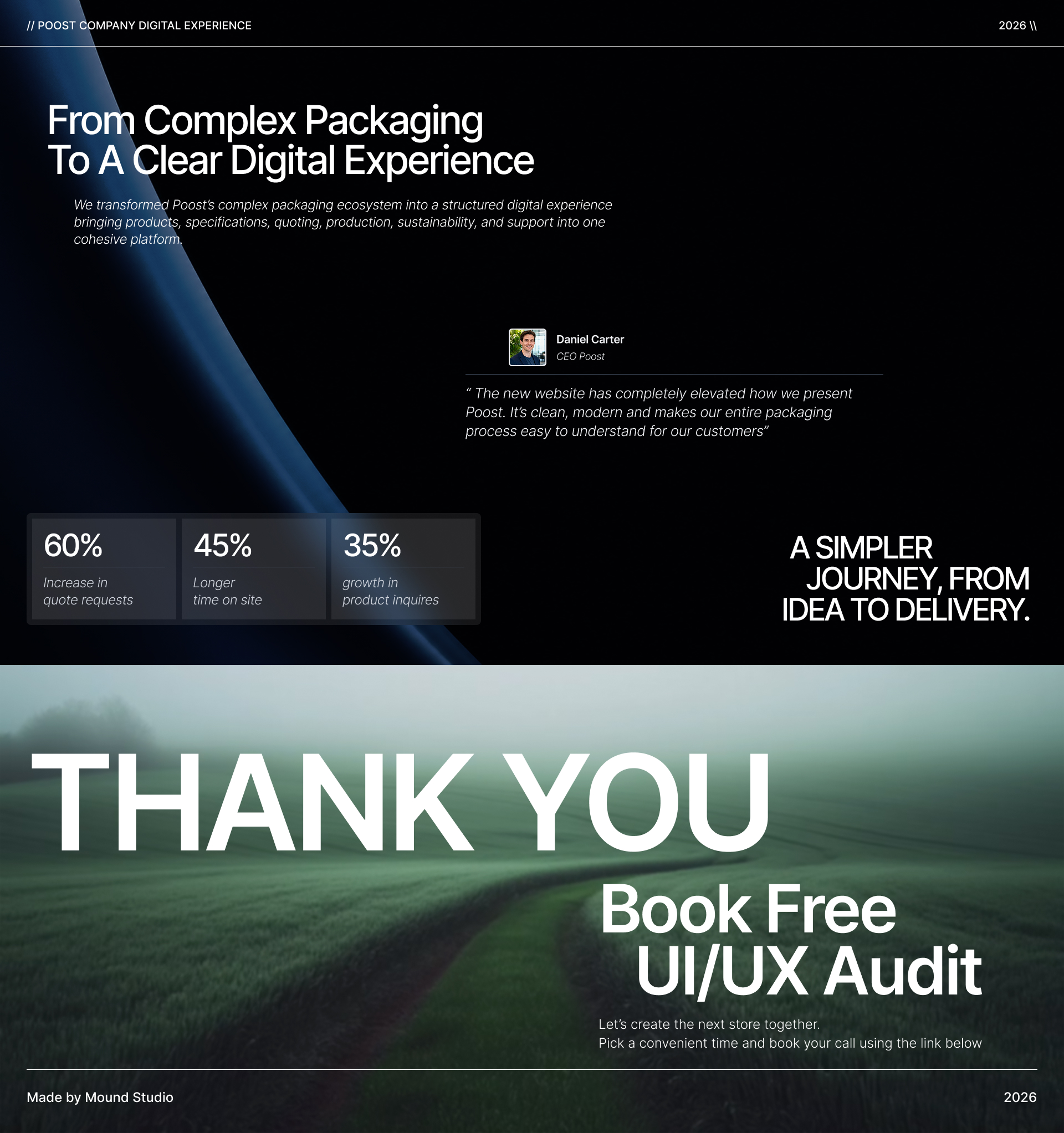
Custom packaging is a spec-heavy purchase. Before a brand can order a single box, it has to pick a size, a material, a print method, a finish, a quantity, and a delivery date it can live with. For Poost — a packaging maker that handles everything from raw material to delivery — the website is where that decision either gets easier or gets abandoned.


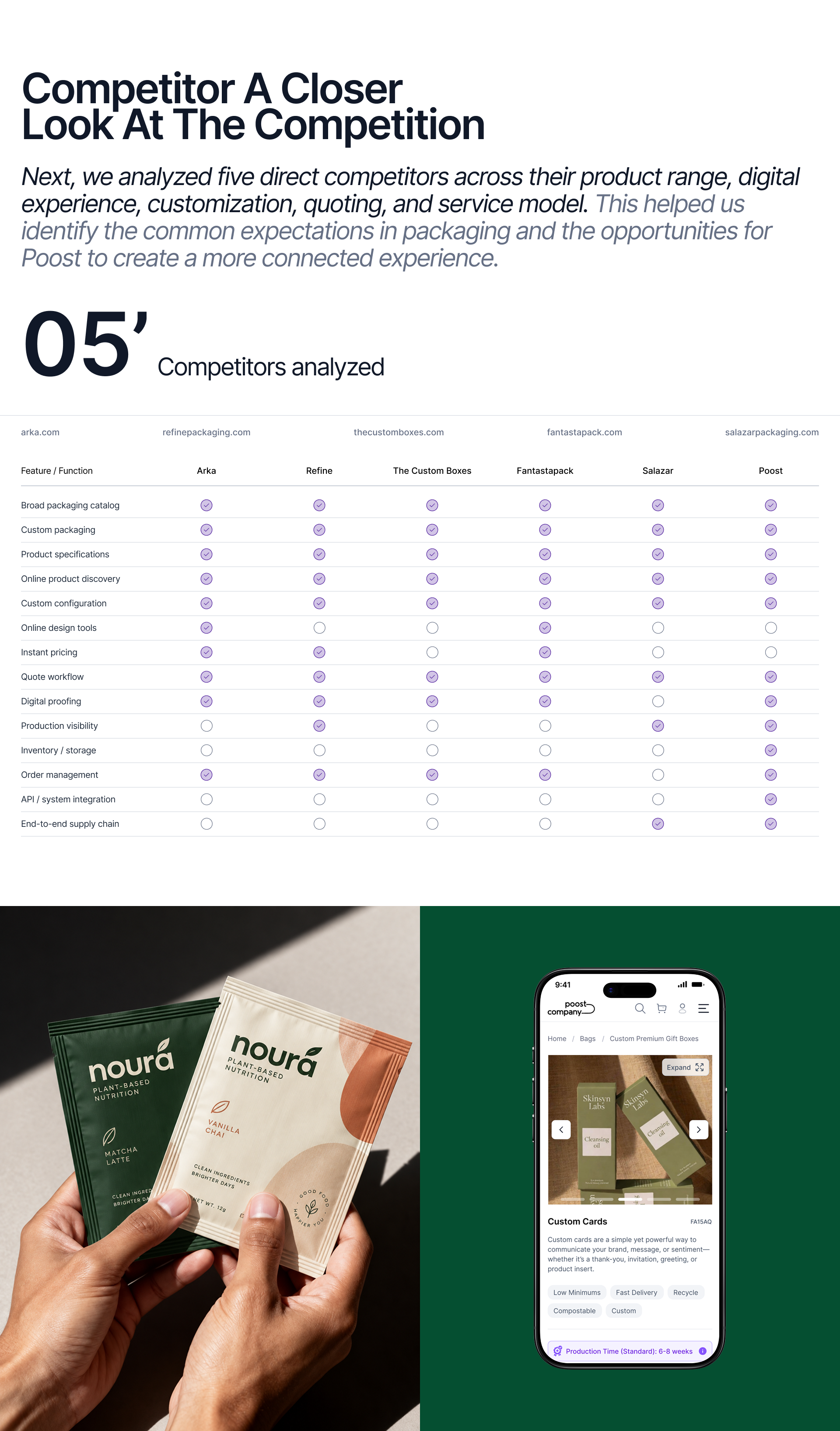
Most packaging sites leave buyers guessing on the things that matter most. Minimum order quantities are buried, lead times only show up after a sales call, and product pages list options without explaining what they mean. Buyers ordering for the first time can't tell if a box fits their budget or their launch date until they've already filled in a contact form. When we compared five direct competitors, the same gap kept showing up: plenty of catalog, very little visibility into production, storage, or what happens after the quote.
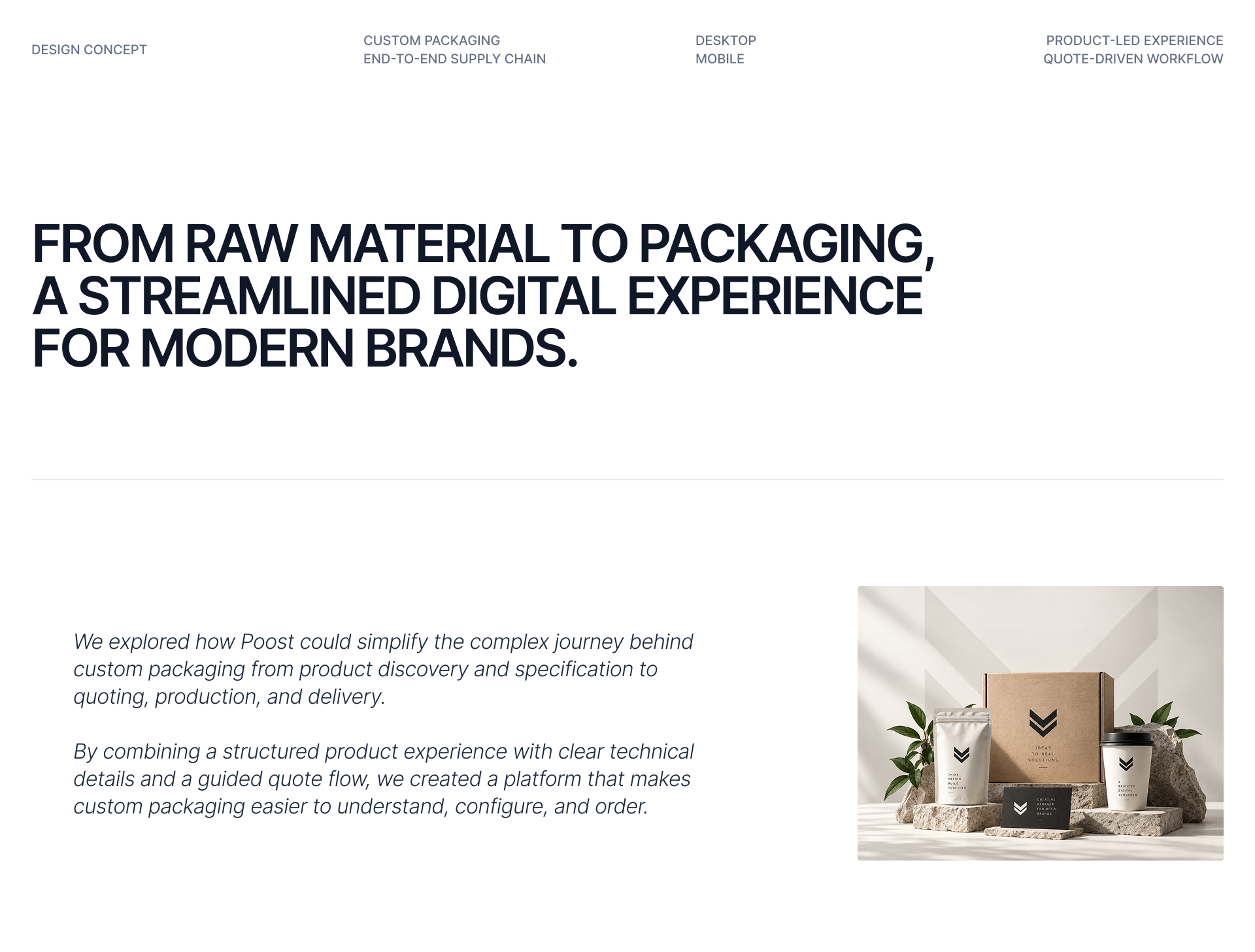
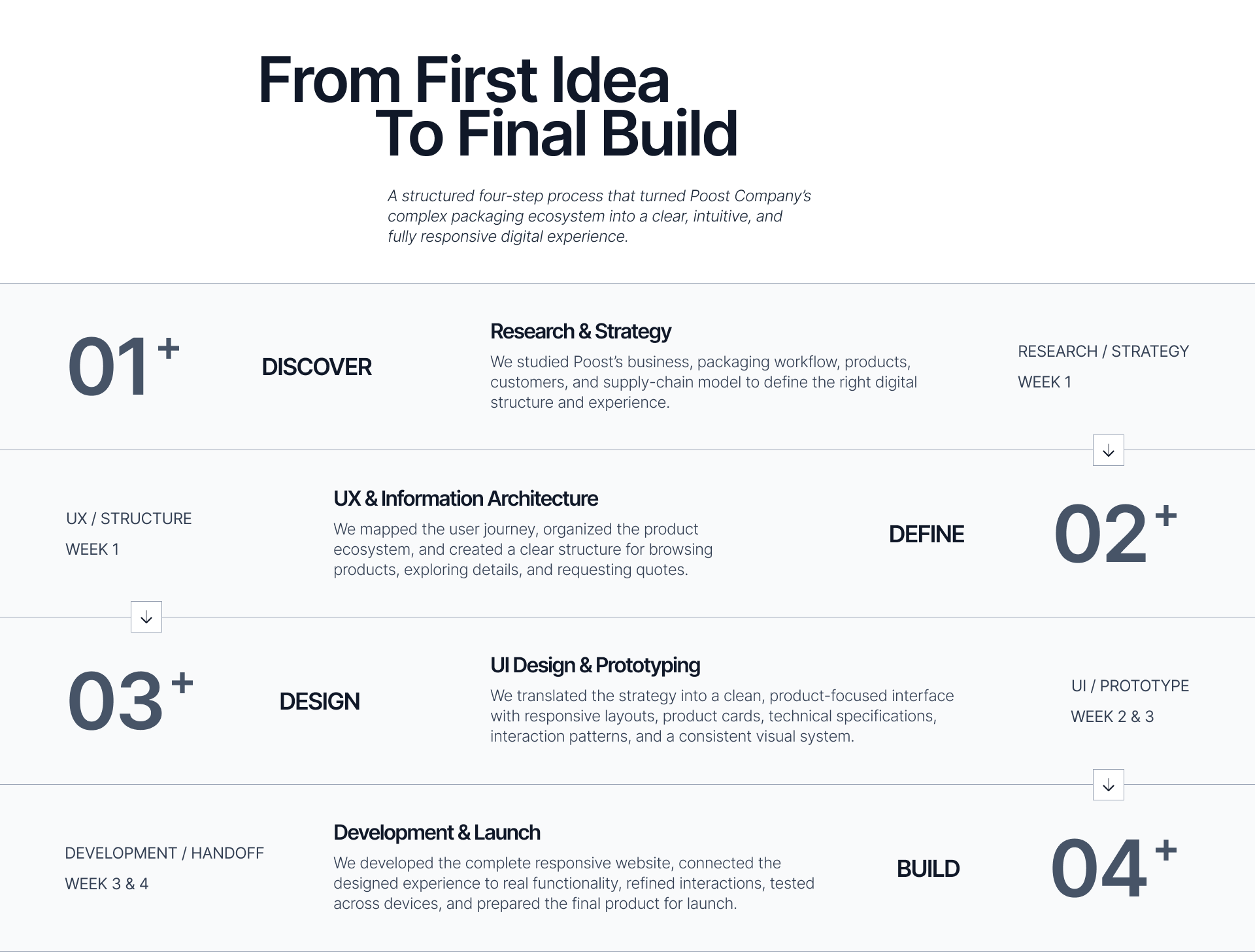
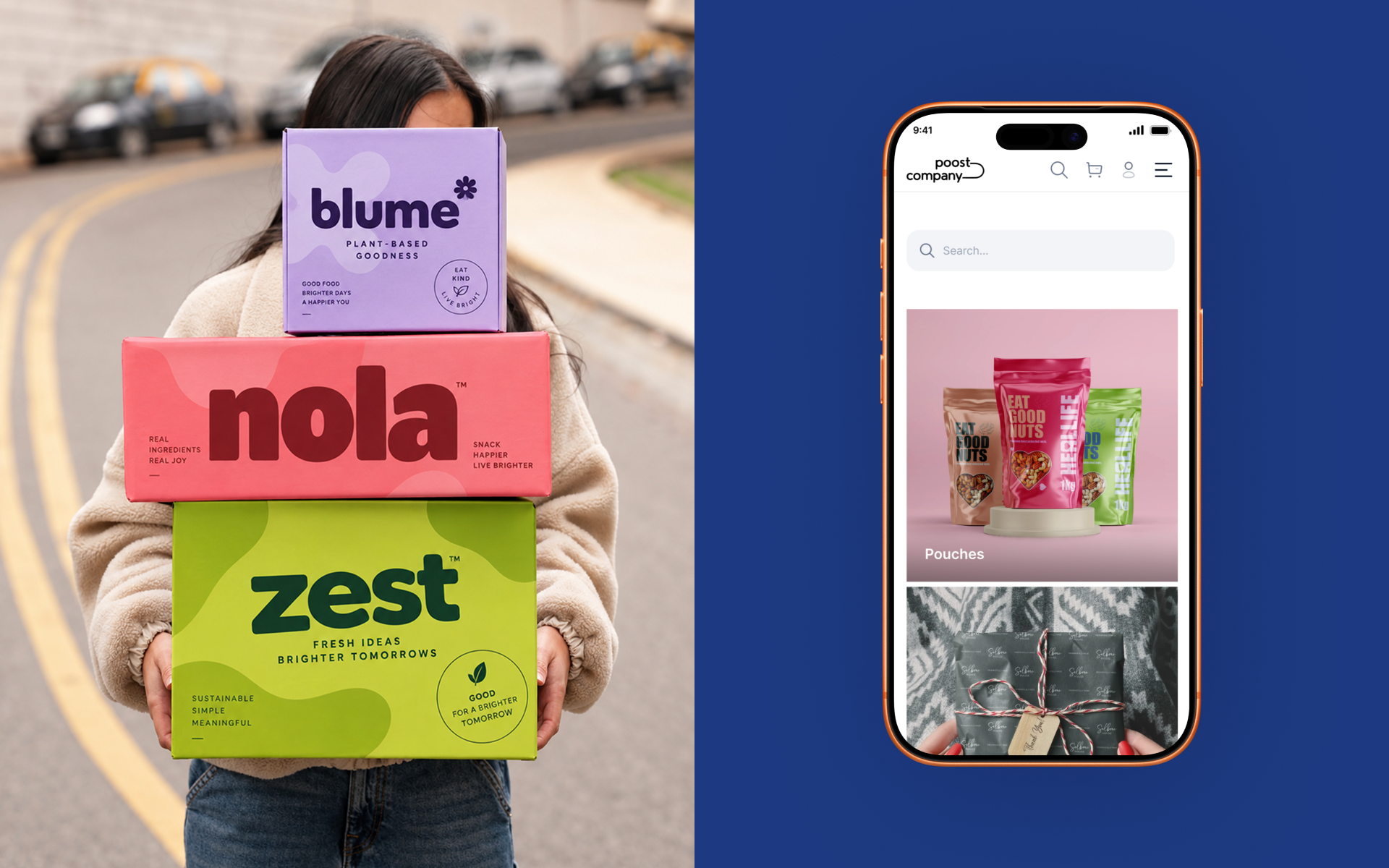
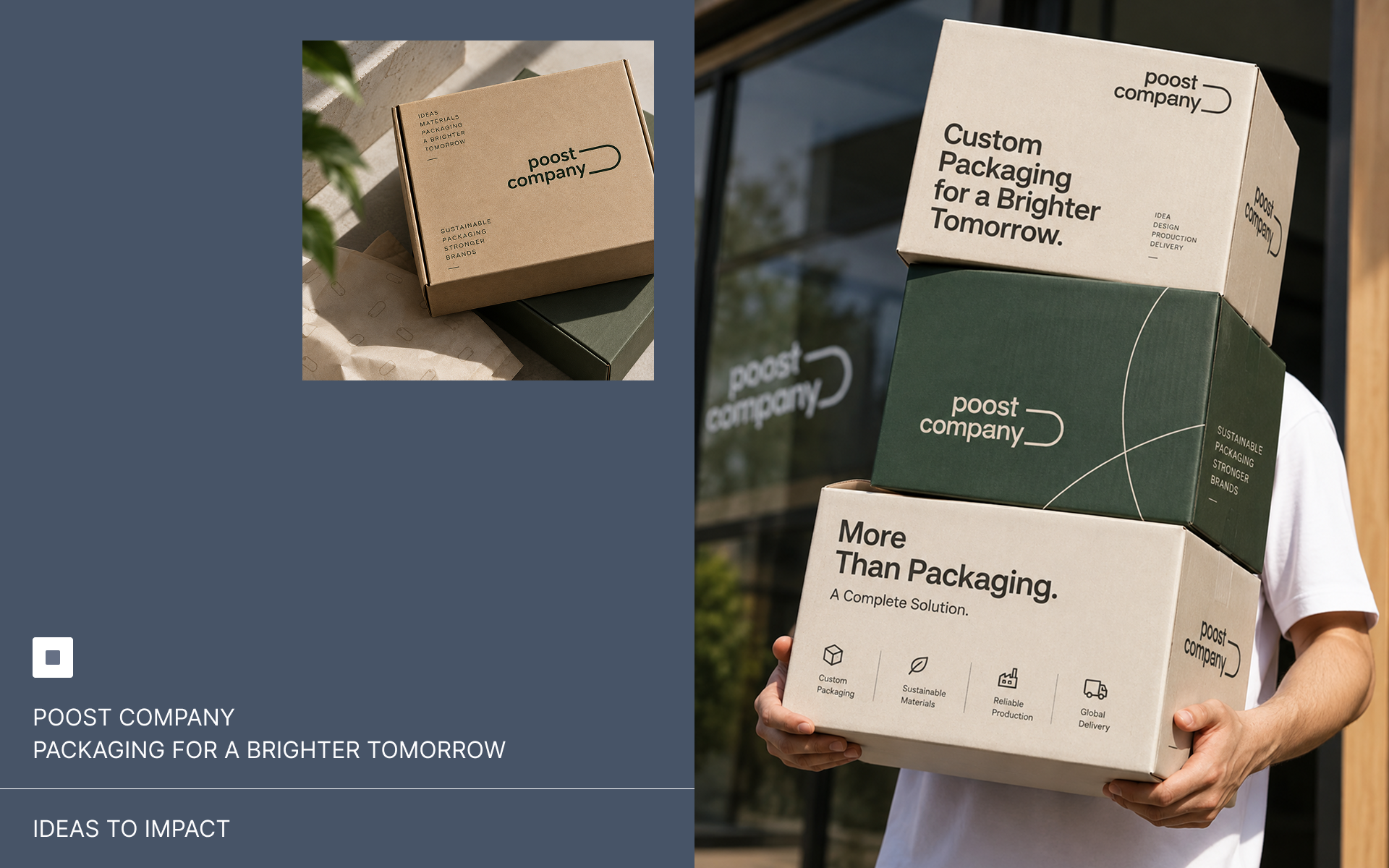
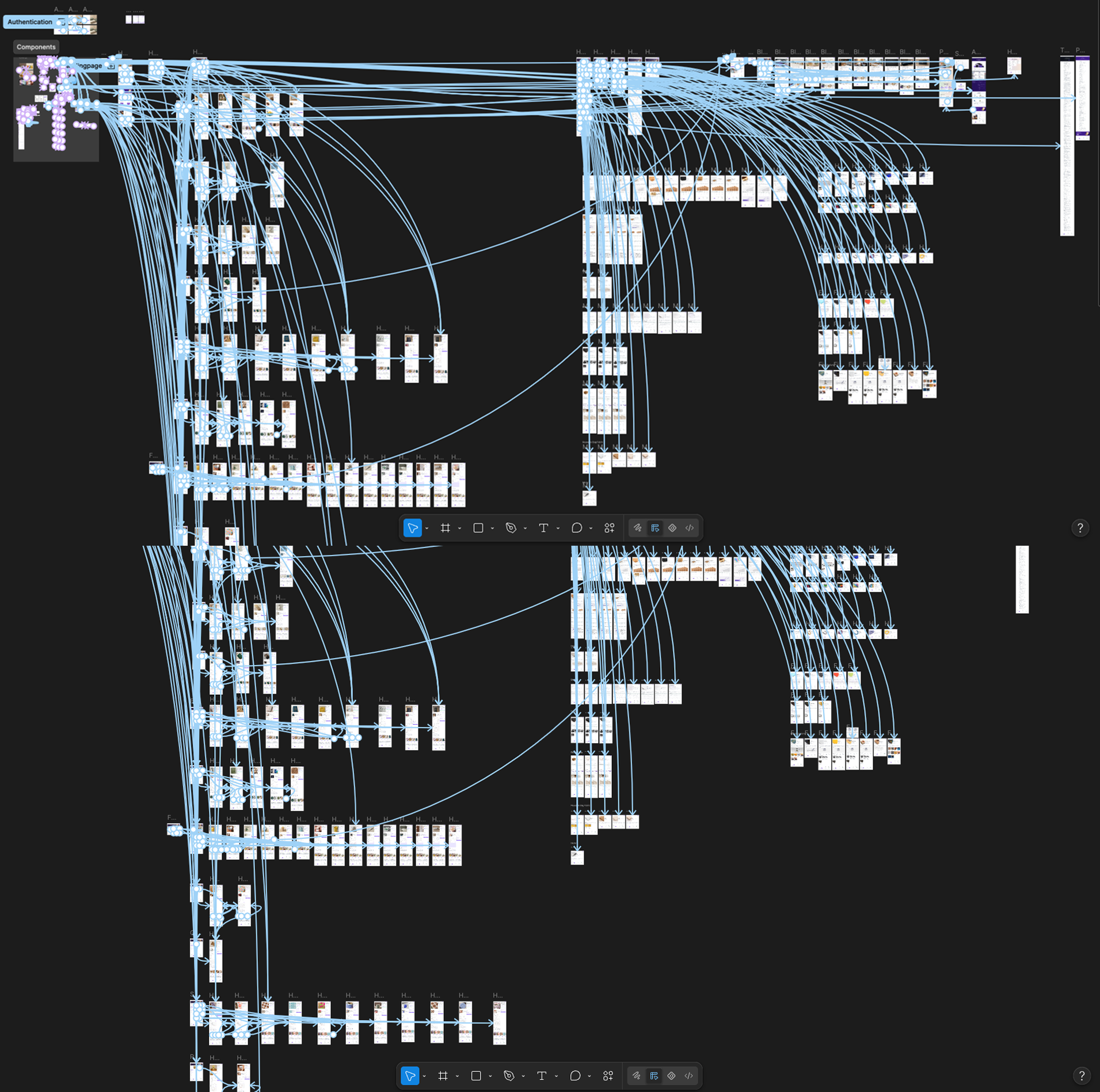
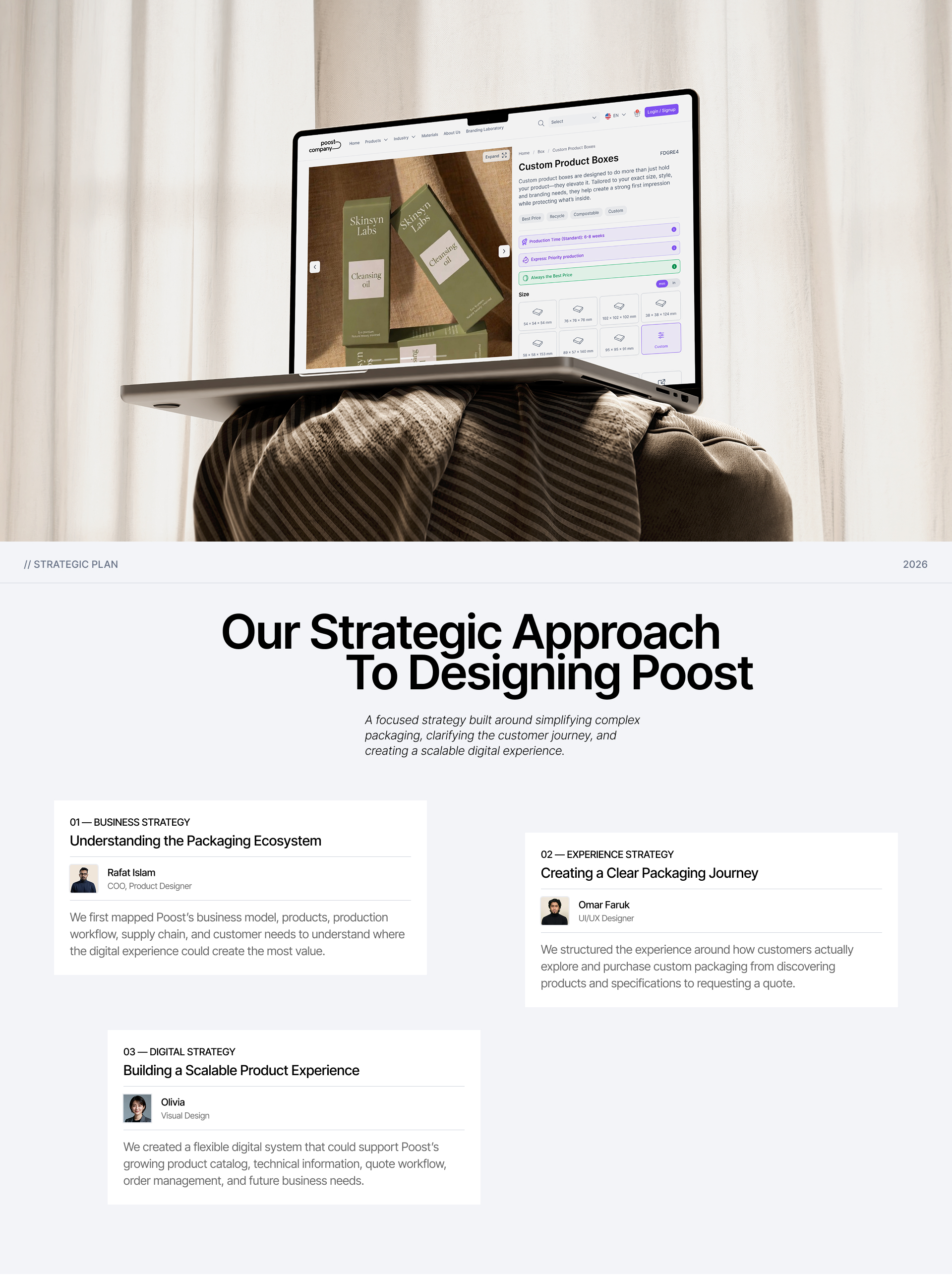
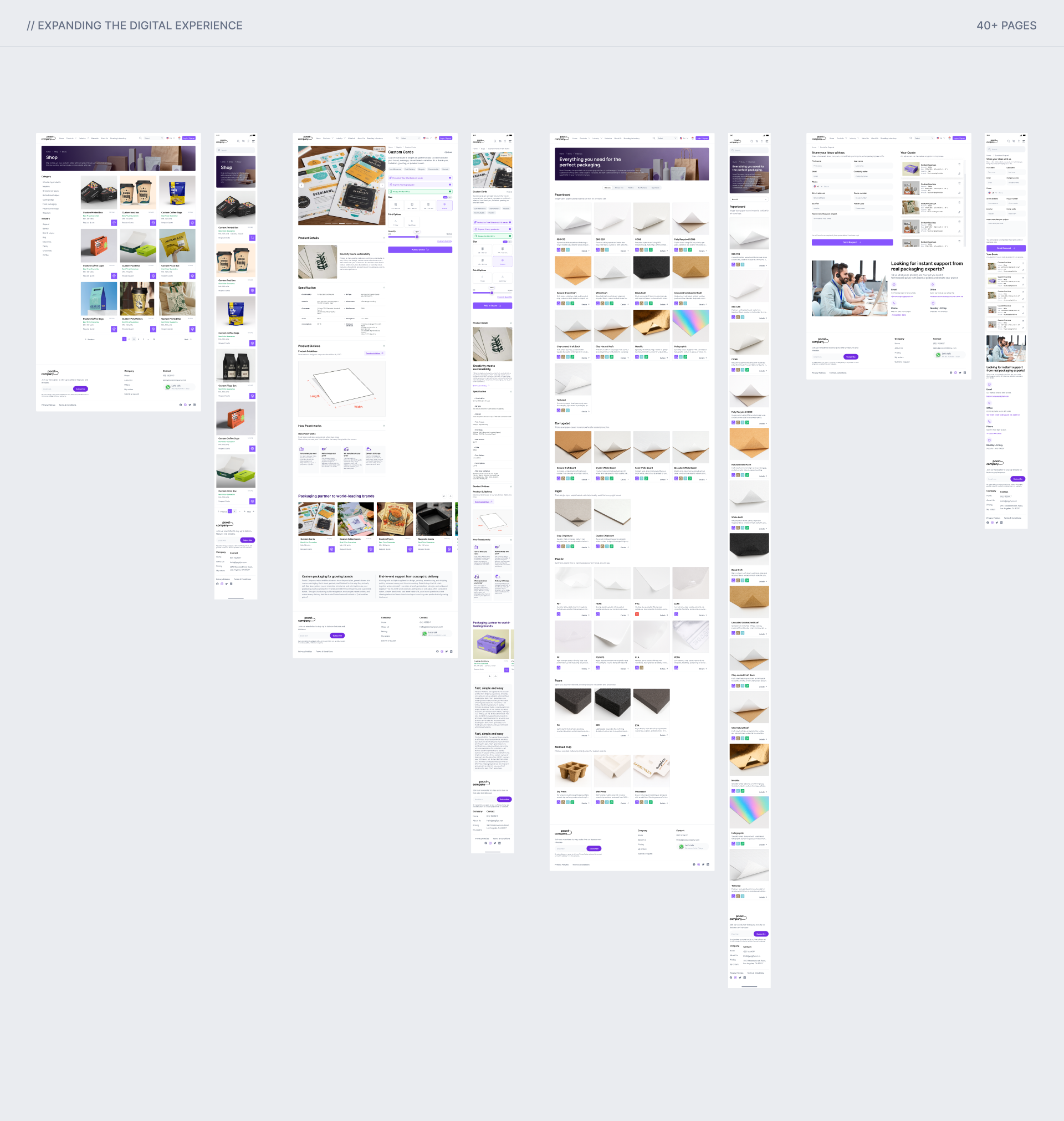
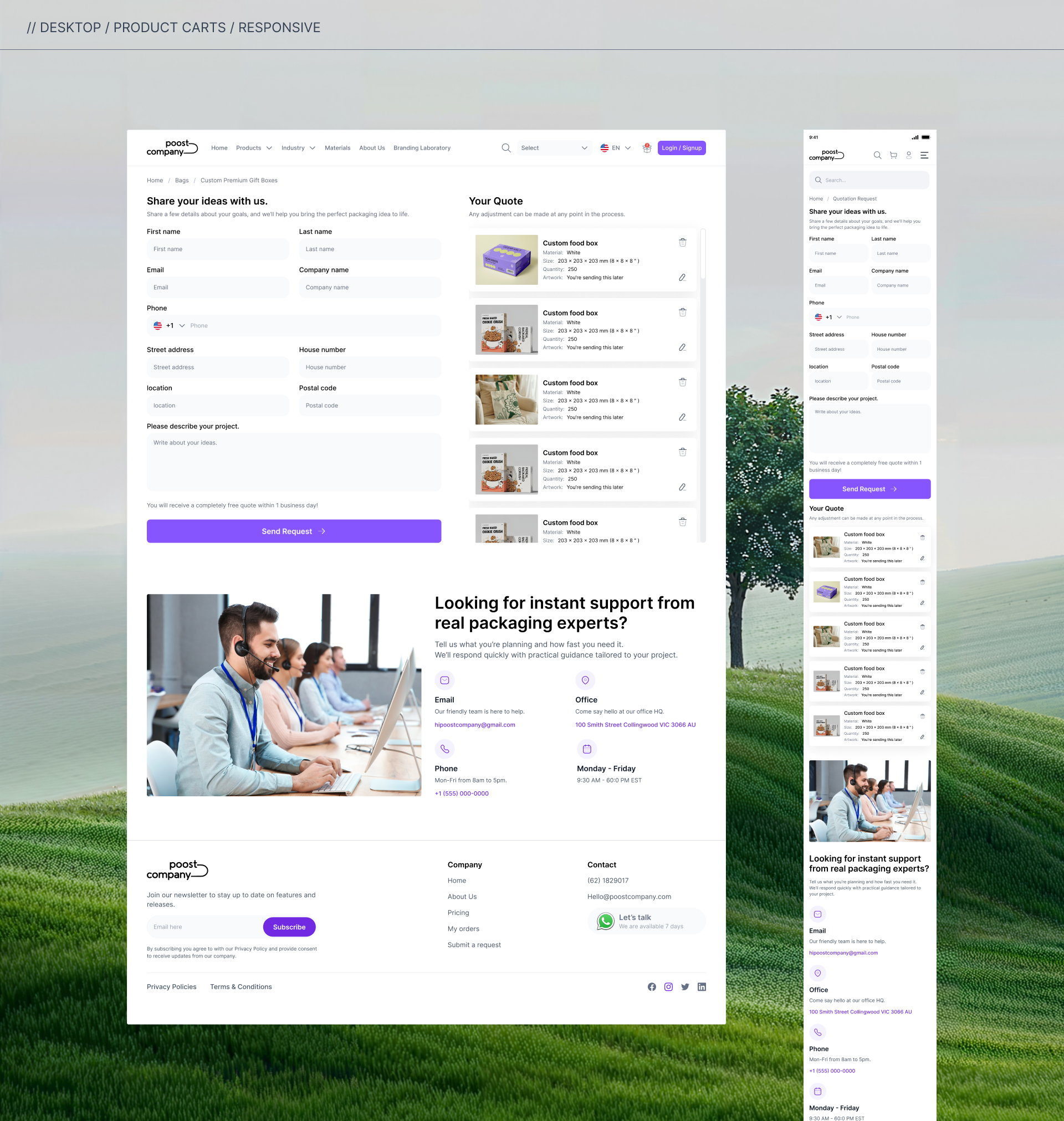
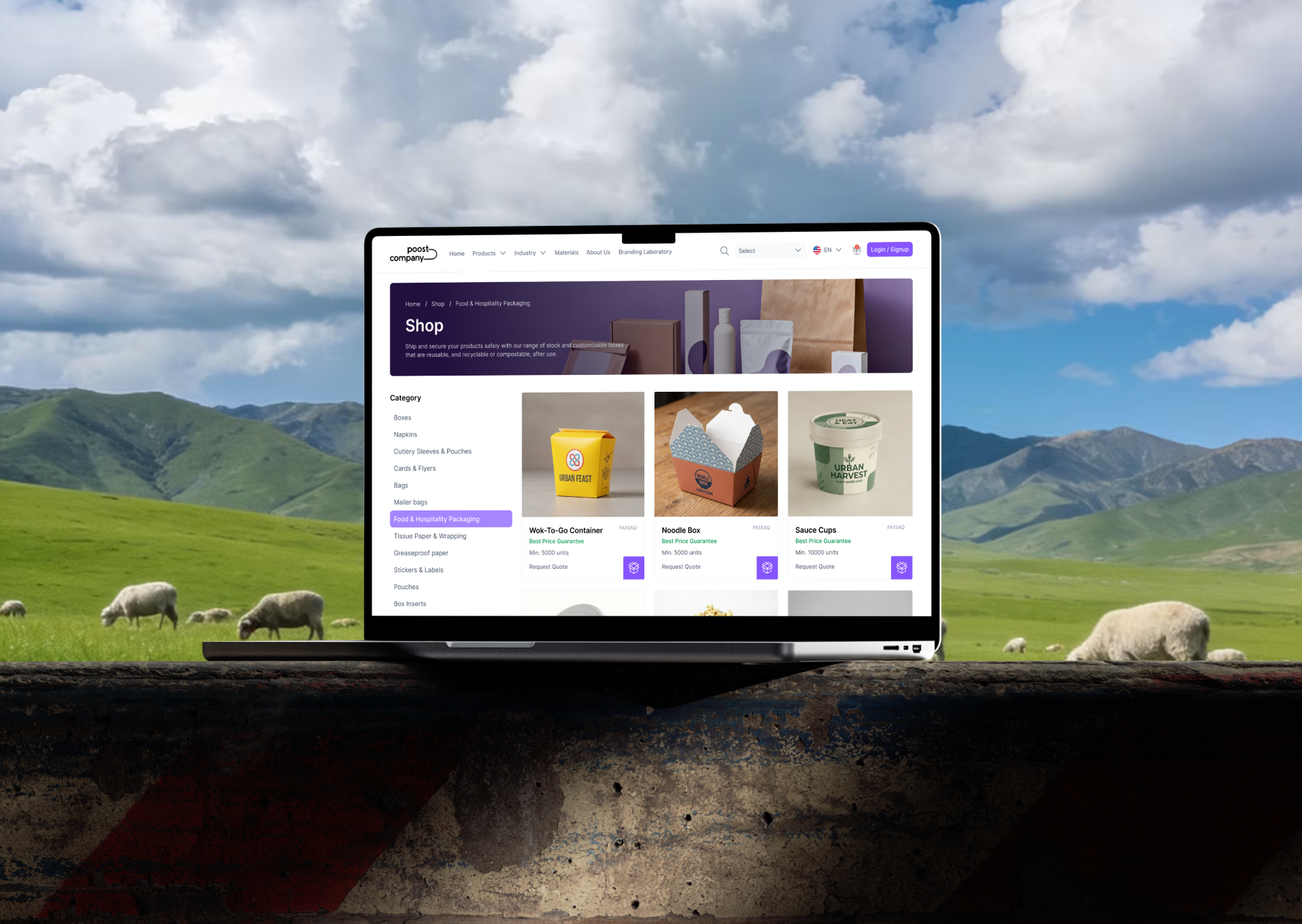
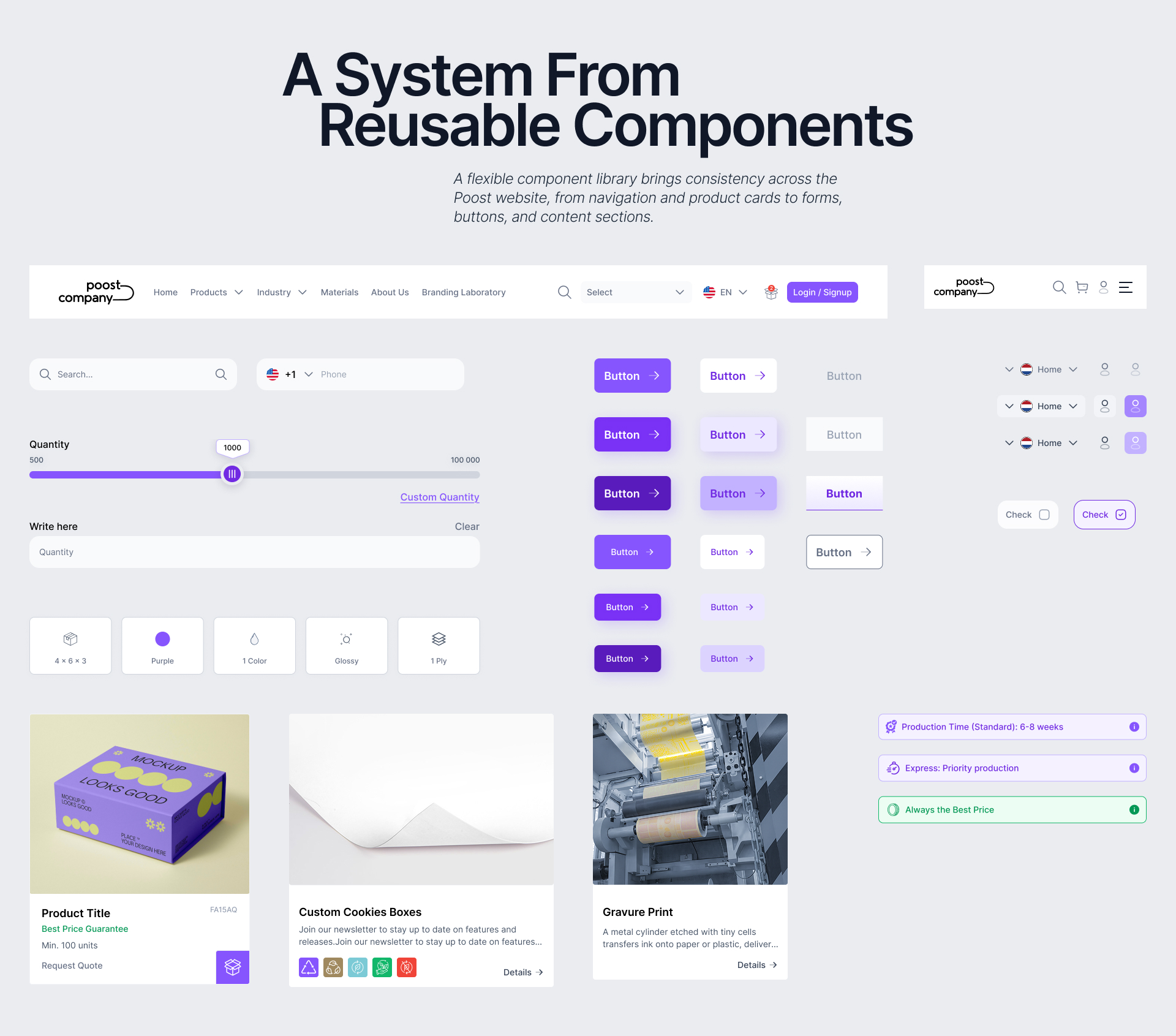
We built the experience around the questions a buyer asks before they request a quote. Every product card shows the minimum order and delivery time up front, so a brand can rule products in or out from the shop page. Product pages open with production time, an express option, and the price guarantee before any configuration begins. Size presets cover common dimensions with a custom option beside them, and print, color, features, finish, add-ons, and quantity sit in one guided configurator instead of a back-and-forth with sales. The spec table and downloadable dielines sit right below, so a designer can check fit without asking. Buyers can add several configured products to one quote, edit them in place, and send a single request — with a free quote promised within one business day. A four-step "How Poost works" section and a materials library explain the process for anyone ordering packaging for the first time. Across 40+ pages on desktop and mobile, one shared component library keeps product cards, forms, and configurator options consistent as the catalog grows. Results: 60% increase in quote requests, 45% longer time on site, 35% growth in product inquiries.
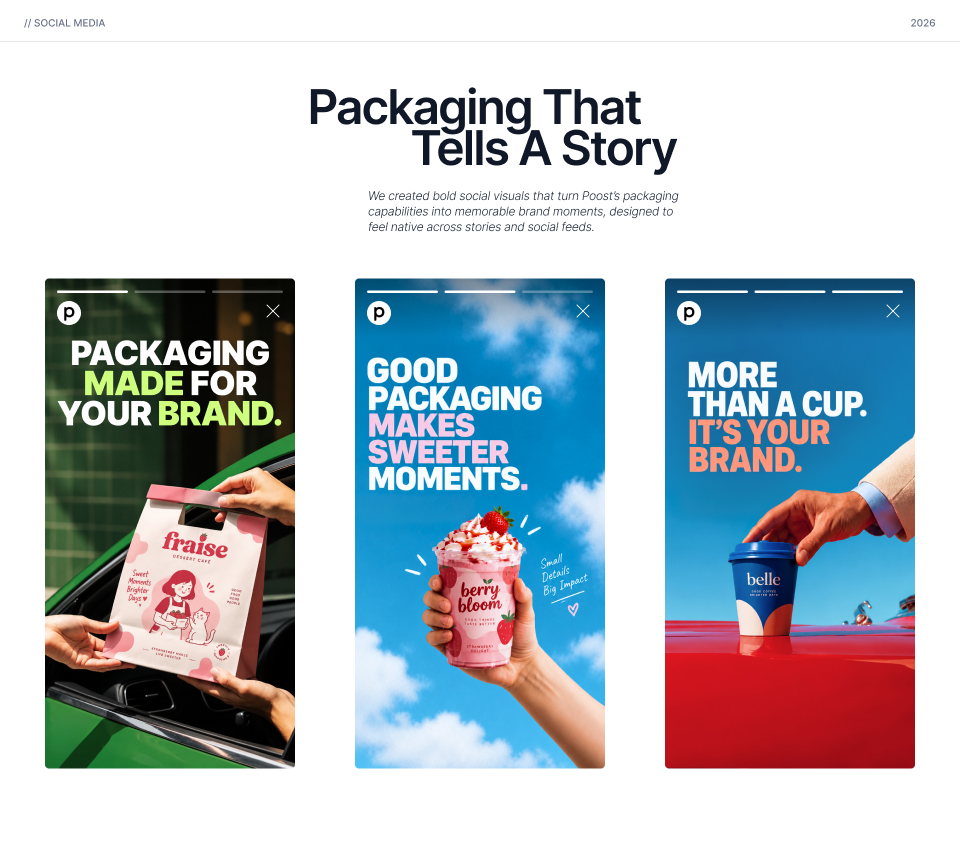
Competitor research, UX strategy, information architecture, 40+ desktop and mobile pages, component library, brand identity touchpoints, and social visuals — by the Mound Studio team.